
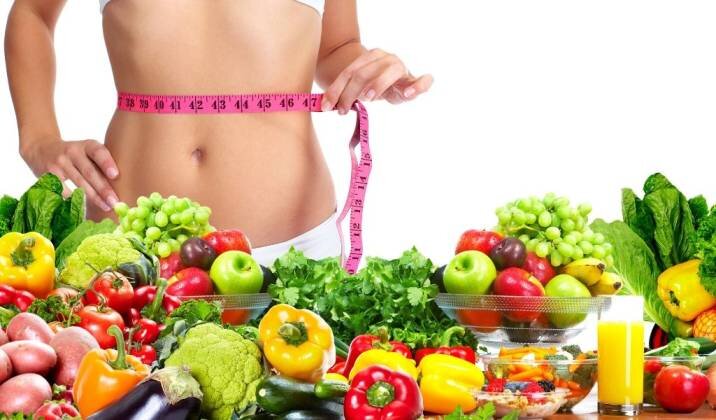
No single food guarantees weight loss, but there are plenty of healthy options that can help support your weight-loss efforts when included as part of a healthy diet. In addition to being delicious additions to meals and snacks, nearly all of these foods contain fiber or protein (or both)—nutrients that help keep us fuller longer. Including them on most days is a simple way to maximize your meals.
1. Chia Seeds
When it comes to weight loss, fiber is king. It’s satiating because it slows digestion and keeps us feeling fuller longer. This is super important when we’re cutting back on calories, a common approach to weight loss. Consuming a serving of chia seeds—roughly 2 tablespoons—satisfies about a quarter of daily fiber needs, per the USDA.
Chia seeds are easy to incorporate into meals, especially breakfast and snacks, with foods like breakfast pudding, berry jam and energy balls.
2. Fatty Fish
The 2020-2025 Dietary Guidelines for Americans recommends at least 8 ounces of seafood each week because it is rich in several nutrients and contains concentrated amounts of omega-3 fats.
Seafood is also high in protein to help curb hunger, keeping us satisfied longer. Fresh fish is great but can be pricy to purchase every week. Consider frozen fish fillets or shrimp, which tend to be less expensive. Also consider canned seafood, which is great for whipping up easy salmon patties, quick sardine toast or a classic niçoise salad.
3.Cruciferous Vegetables
Cruciferous vegetables include broccoli, cauliflower, Brussels sprouts and dark leafy greens like kale and arugula. Their health benefits are vast, and a growing body of research links regular consumption of these vegetables to a lower risk of cancer and reduced inflammation.
Cruciferous veggies are also low in calories and carbohydrates, making them the perfect nonstarchy addition to any weight-loss meal plan. These vegetables are simple to include throughout the week. Use them as the hearty base for meal-prep salads, as a low-carb swap for grains or blend them into smoothies.
4. Whole Grains
Many people may think they need to limit starches like pasta, bread and rice when they’re trying to lose weight. Thankfully this isn’t the case, especially if we’re choosing whole grains most of the time.
In addition to vitamins, minerals and phytonutrients, whole grains like whole-wheat pasta, brown rice and quinoa contain fiber to keep us feeling satisfied. Plus, our bodies and brains prefer energy from carbohydrates, so consuming these foods alongside protein and healthy fats can help reduce cravings for refined carbs and sugar.
5. Apples
Like vegetables, fruits are a smart addition to any healthy weight-loss plan. Because of their high water content and fiber (be sure to eat the skin), apples are filling and low in calories—factors that may play a role in helping people lose weight.
Apples are especially good to have on hand because they’re inexpensive, keep for weeks in the fridge and make for a super-portable snack. You can also get creative and work them into meals. Apples are delicious atop salads and toast or whirred into soups and smoothies.
6. Fermented Foods
Gut health is important—and for good reason. In addition to supporting immunity and good digestion, a healthy balance of good bacteria in the intestinal tract may help to promote fat burning, according to a 2020 review in Preventive Nutrition and Food Science.
Good sources of probiotics (good bacteria) include kefir and yogurt with live active cultures, homemade sauerkraut and tempeh. Aim to include a few bites or sips of probiotic-rich foods most days, in addition to eating prebiotics (like bananas, asparagus, legumes and onions) which provide fuel for our healthy gut bacteria.